

Melasma Treatment
Targeted multi-modal approach to stubborn pigmentation
Melasma is a chronic pigmentary condition that requires a combination approach and long-term management — not a single treatment. Our protocol addresses multiple layers of pigmentation using laser, chemical peels, skin boosters and prescription topicals.
Melasma is driven by UV exposure, hormonal triggers and skin inflammation. Treatment success depends on sun protection compliance as much as clinical intervention. Low-fluence Q-switched Nd:YAG laser (toning protocol) combined with tranexamic acid and prescription topicals has the strongest evidence base for melasma.
Key Benefits
- Multi-modal approach for all layers of pigmentation
- Low-fluence laser toning minimises rebound pigmentation risk
- Tranexamic acid addresses hormonal pigmentation drivers
- Comprehensive sun protection strategy to prevent recurrence
Is This Treatment Right For You?
- Adults with facial melasma, especially hormonal or post-pregnancy
- Patients who have tried topicals alone without adequate response
- Those committed to a long-term management approach
What to Expect
Pigmentation Assessment
Wood's lamp and clinical assessment to classify melasma depth.
Topical Priming
Prescription topicals started 4–6 weeks before laser.
Laser Toning
Low-fluence Nd:YAG sessions every 1–2 weeks for 6–8 sessions.
Maintenance
Ongoing SPF50+ compliance and periodic topical use.
Recovery & Aftercare
Mild redness for a few hours after laser; topicals may cause initial purging.
Frequently Asked Questions
Can melasma be cured?
Melasma is managed rather than cured — consistent sun protection and treatment maintenance keep it controlled.
Is laser safe for melasma on dark skin?
Low-fluence laser toning with an appropriate Nd:YAG protocol is safer for darker skin types than ablative approaches; parameters are carefully adjusted.
Patients Also Explore
Our specialists offer a full range of complementary treatments across surgery, skin, hair and wellness.

Rhinoplasty
Refine the shape, size or profile of your nose while preserving natural breathing function.
Learn More
Breast Augmentation
Enhance breast volume and shape using high-quality implants or fat transfer.
Learn More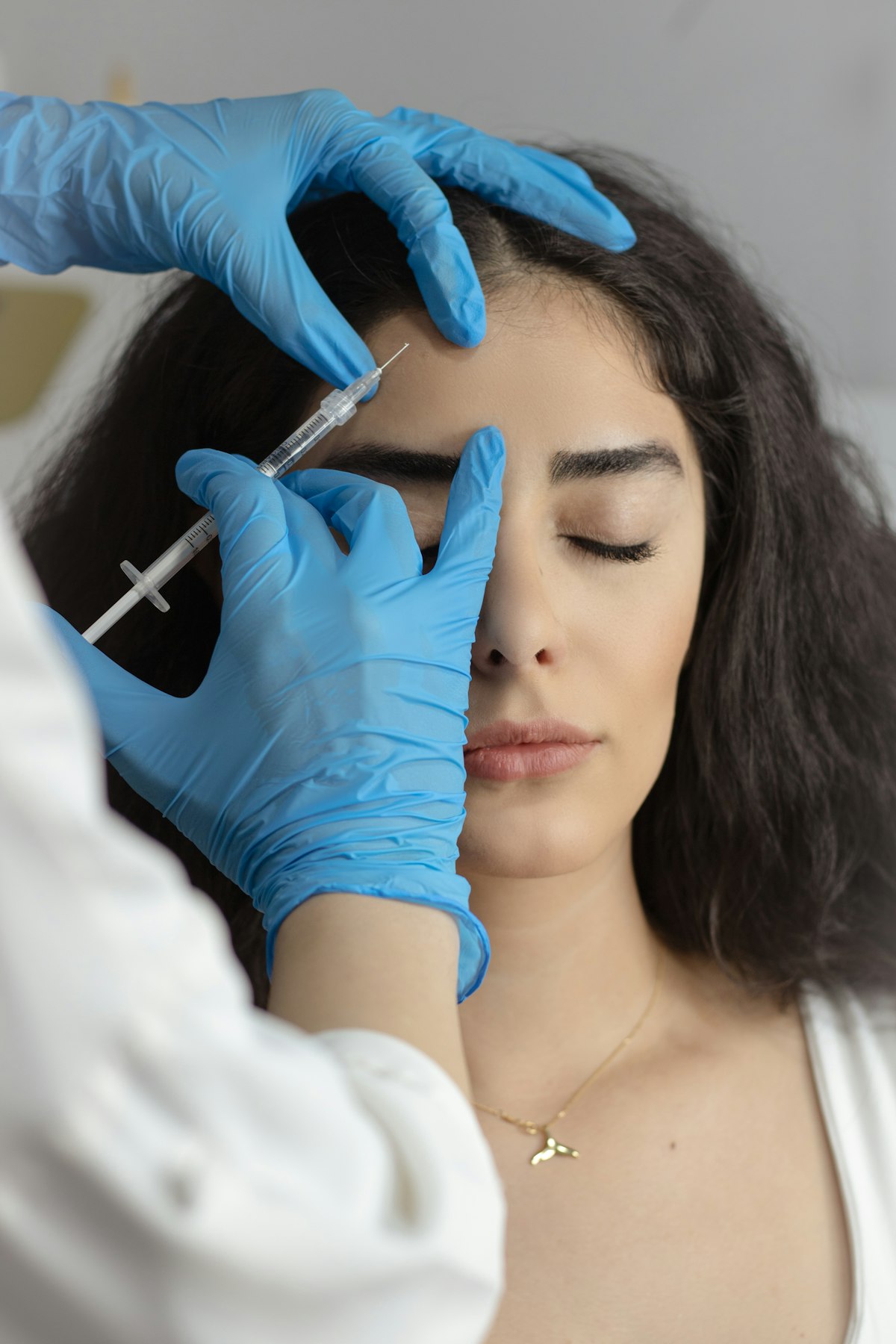
Botox
Relax the muscles that cause frown lines, crow's feet and forehead creases.
Learn MoreReady to Book Your Melasma Treatment Consultation?
Speak to a specialist and get an honest, personalised recommendation.