

IPL Photofacial
Broad-spectrum light for pigmentation and redness
IPL (Intense Pulsed Light) delivers multiple wavelengths of light simultaneously to the skin, targeting melanin in pigmented lesions and oxyhaemoglobin in blood vessels — treating sun damage, redness and uneven tone in a single modality.
IPL is not a laser — it delivers a broad spectrum of light filtered to target specific chromophores. It is highly versatile, addressing sun spots, freckles, diffuse redness and broken capillaries in a quick, well-tolerated session suitable for the face, neck, décolletage and hands.
Key Benefits
- Addresses pigmentation and vascular concerns simultaneously
- Suitable for face, neck, décolletage and hands
- No downtime for most patients
- Progressive improvement over a course of treatments
Is This Treatment Right For You?
- Adults with photodamage, sun spots or diffuse facial redness
- Patients with rosacea-related flushing and broken capillaries
- Those with lighter skin tones and multiple pigment and vascular concerns
What to Expect
Skin Assessment
Fitzpatrick skin type assessed; unsuitable skin types identified.
Patch Test
Test spot performed to confirm tolerance and calibrate settings.
Treatment
Gel applied; IPL handpiece passed across treatment area.
Course
3–5 sessions at 3–4 week intervals for full results.
Recovery & Aftercare
Treated pigmented spots temporarily darken (coffee-ground appearance) and flake off within 1–2 weeks.
Frequently Asked Questions
Is IPL suitable for dark skin tones?
IPL carries a higher risk of pigment changes on dark skin (Fitzpatrick V–VI); alternative devices are safer and will be recommended.
How long do IPL results last?
Results last 1–2 years with good sun protection; annual maintenance sessions keep pigmentation at bay.
Patients Also Explore
Our specialists offer a full range of complementary treatments across surgery, skin, hair and wellness.
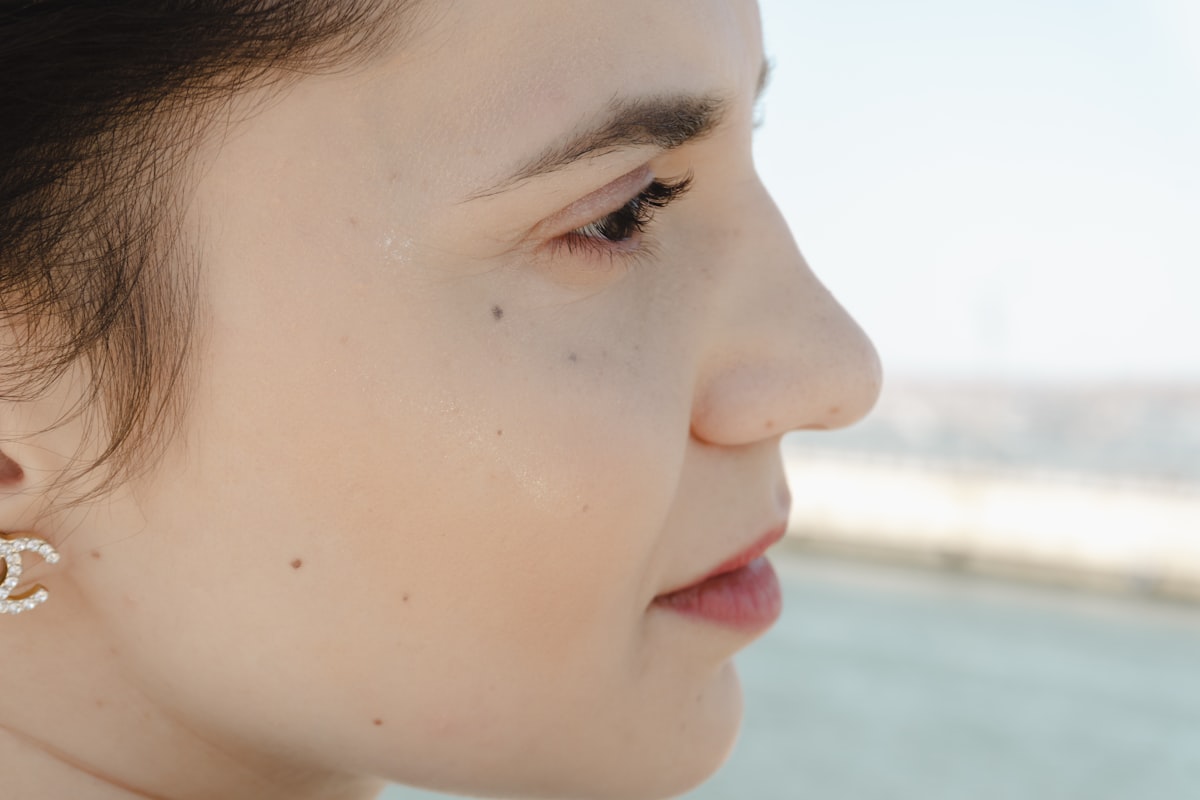
Rhinoplasty
Refine the shape, size or profile of your nose while preserving natural breathing function.
Learn More
Breast Augmentation
Enhance breast volume and shape using high-quality implants or fat transfer.
Learn More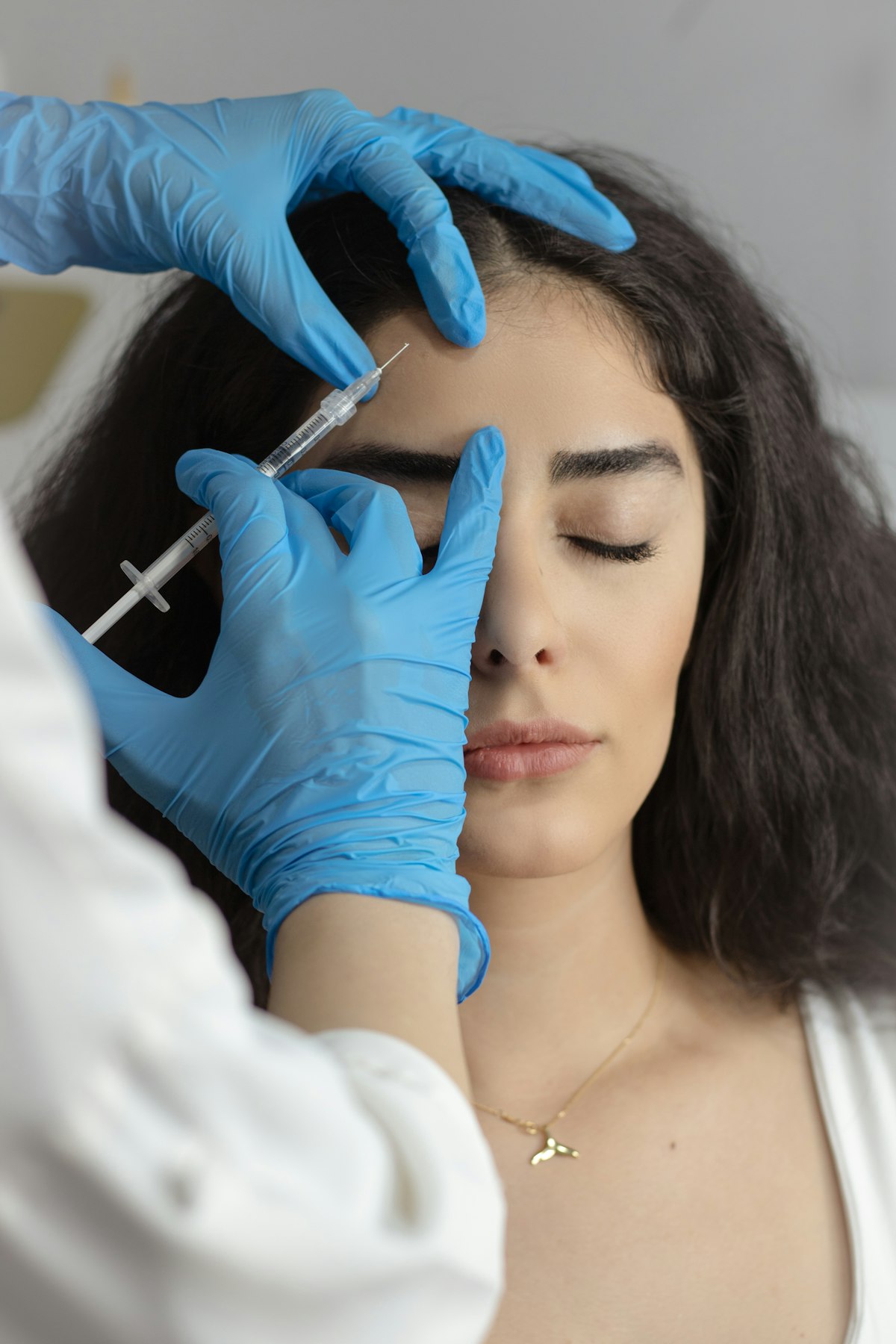
Botox
Relax the muscles that cause frown lines, crow's feet and forehead creases.
Learn MoreReady to Book Your IPL Photofacial Consultation?
Speak to a specialist and get an honest, personalised recommendation.