

Low-Level Laser Therapy for Hair
Photobiomodulation to energise hair follicles
Low-Level Laser Therapy (LLLT) for hair uses specific wavelengths of red and near-infrared light to penetrate the scalp and stimulate mitochondrial activity in hair follicles — increasing cellular energy, improving blood flow and extending the anagen growth phase.
LLLT is an FDA-cleared, non-invasive treatment for androgenetic alopecia in both men and women; it is most effective in the early to moderate stages of hair loss and is frequently combined with medical therapies or regenerative treatments for a synergistic effect.
Key Benefits
- FDA-cleared non-invasive hair loss treatment
- Reduces hair shedding and improves density over time
- No discomfort — completely painless sessions
- Complements medical and surgical hair restoration
Is This Treatment Right For You?
- Patients with early to moderate androgenetic alopecia
- Those wanting a non-invasive adjunct to medical or surgical treatment
- Patients who cannot tolerate oral hair loss medications
What to Expect
Scalp Assessment
Hair loss stage and scalp health are assessed to confirm suitability.
Laser Calibration
Device wavelength and dose are set according to treatment protocol.
Treatment Session
The laser device is applied or worn over the scalp for 20–30 minutes.
Programme Review
Progress is reviewed after each 12-session course to assess response.
Recovery & Aftercare
None — there is no downtime; sessions are completely comfortable.
Frequently Asked Questions
How long before LLLT shows results?
Consistent use over 3–6 months is needed before meaningful density improvement is visible; ongoing use maintains the benefit.
Can LLLT be used with finasteride or minoxidil?
Yes — LLLT is commonly combined with medical therapy for a synergistic effect and is safe to use alongside both treatments.
Patients Also Explore
Our specialists offer a full range of complementary treatments across surgery, skin, hair and wellness.
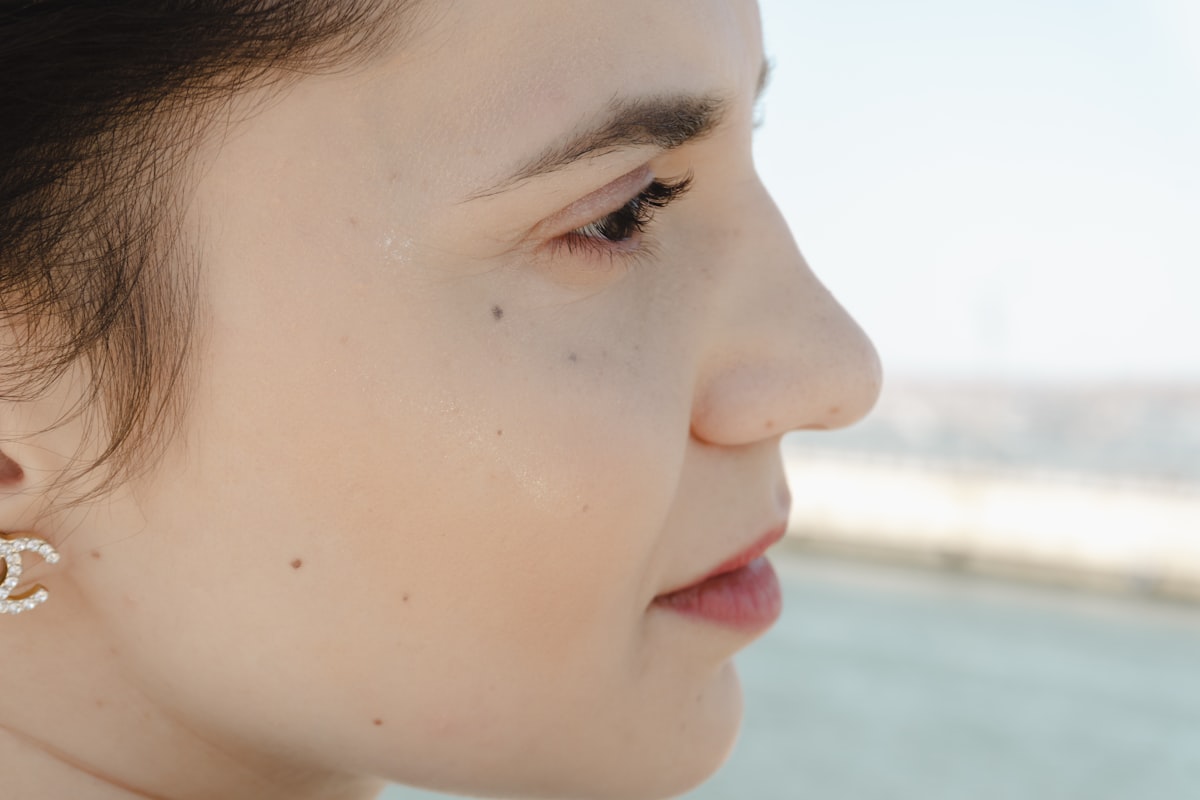
Rhinoplasty
Refine the shape, size or profile of your nose while preserving natural breathing function.
Learn More
Breast Augmentation
Enhance breast volume and shape using high-quality implants or fat transfer.
Learn More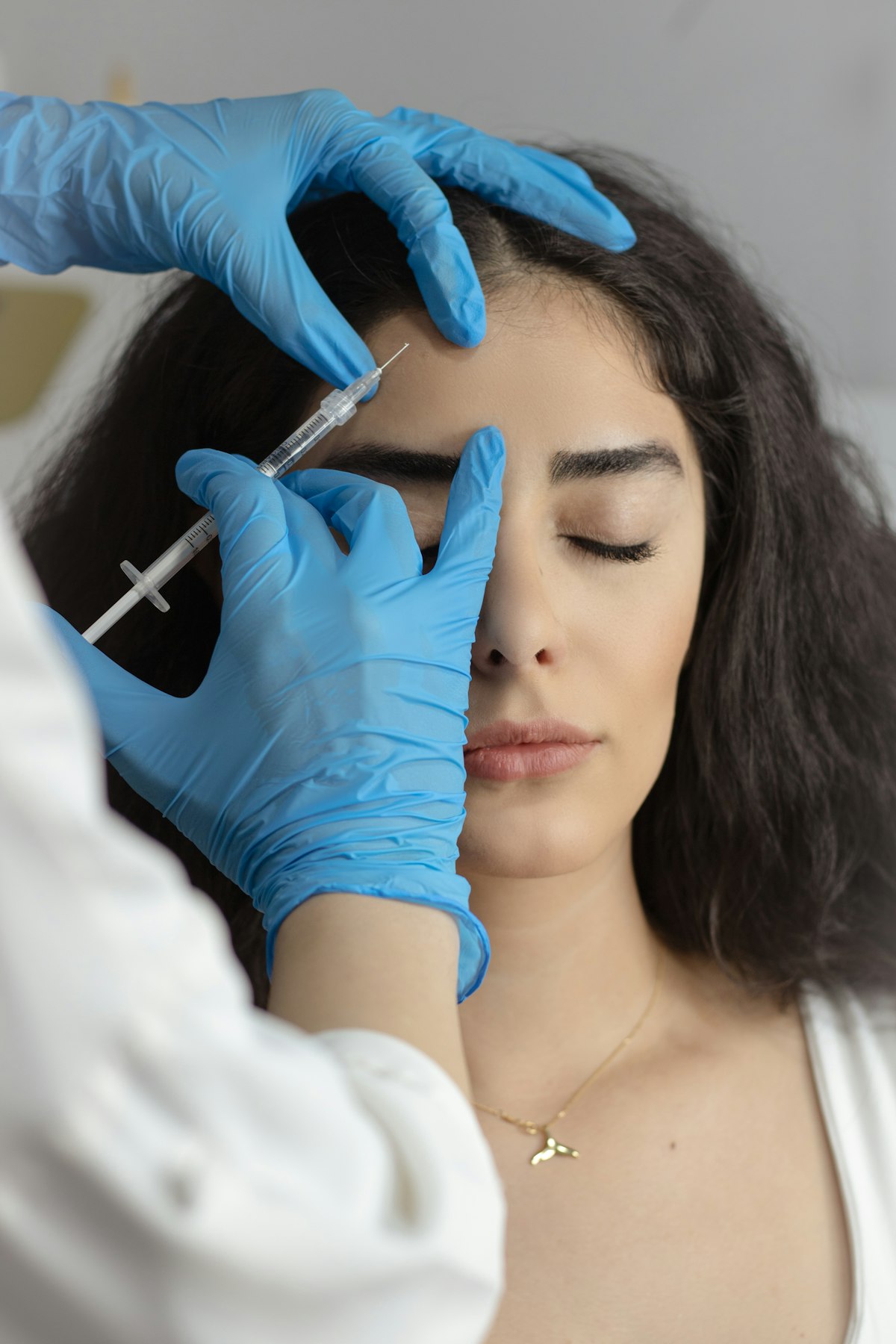
Botox
Relax the muscles that cause frown lines, crow's feet and forehead creases.
Learn MoreReady to Book Your Low-Level Laser Therapy for Hair Consultation?
Speak to a specialist and get an honest, personalised recommendation.