

Septoplasty
Surgical straightening of a deviated nasal septum to restore breathing
A deviated nasal septum — the wall of cartilage and bone dividing the two nostrils — can cause persistent nasal obstruction, snoring, nosebleeds and sinus congestion. Septoplasty straightens the septum through internal incisions with no external scarring, immediately improving airflow through the affected side of the nose.
Septoplasty is a functional procedure performed entirely through the nostrils. It can be performed alone or combined with rhinoplasty (septorhinoplasty) when cosmetic improvement is also desired. The procedure is performed under local or general anaesthesia and takes 45–90 minutes.
Key Benefits
- Significantly improved nasal airflow and breathing
- Reduction in chronic congestion, snoring and mouth breathing
- No external scarring — entirely internal incisions
- Can be combined with rhinoplasty for simultaneous cosmetic correction
Is This Treatment Right For You?
- Patients with a confirmed deviated septum causing breathing difficulties
- Those with chronic nasal congestion not responding to medication
- Individuals with sleep disruption, snoring or recurring sinus infections
- Patients combining septoplasty with cosmetic rhinoplasty
What to Expect
Assessment
Nasal endoscopy and clinical examination confirm the extent of septal deviation.
Anaesthesia
Local anaesthesia with sedation or general anaesthesia depending on patient preference and case complexity.
Surgery
Deviated cartilage and bone straightened through internal incisions; 45–90 minutes.
Recovery
Internal splints removed at 5–7 days; breathing improves immediately once swelling settles.
Recovery & Aftercare
Most patients return to work within 5–7 days. Breathing improvement is noticeable once internal swelling resolves, typically within 2–3 weeks.
Frequently Asked Questions
Will septoplasty change how my nose looks?
Septoplasty is a functional procedure and does not change the external appearance of the nose. If cosmetic change is also desired, it is combined with rhinoplasty as a septorhinoplasty.
Does a deviated septum always need surgery?
Not always — many patients manage with nasal sprays and decongestants. Surgery is indicated when symptoms significantly affect quality of life and conservative treatment has failed.
Patients Also Explore
Our specialists offer a full range of complementary treatments across surgery, skin, hair and wellness.

Breast Augmentation
Enhance breast volume and shape using high-quality implants or fat transfer.
Learn More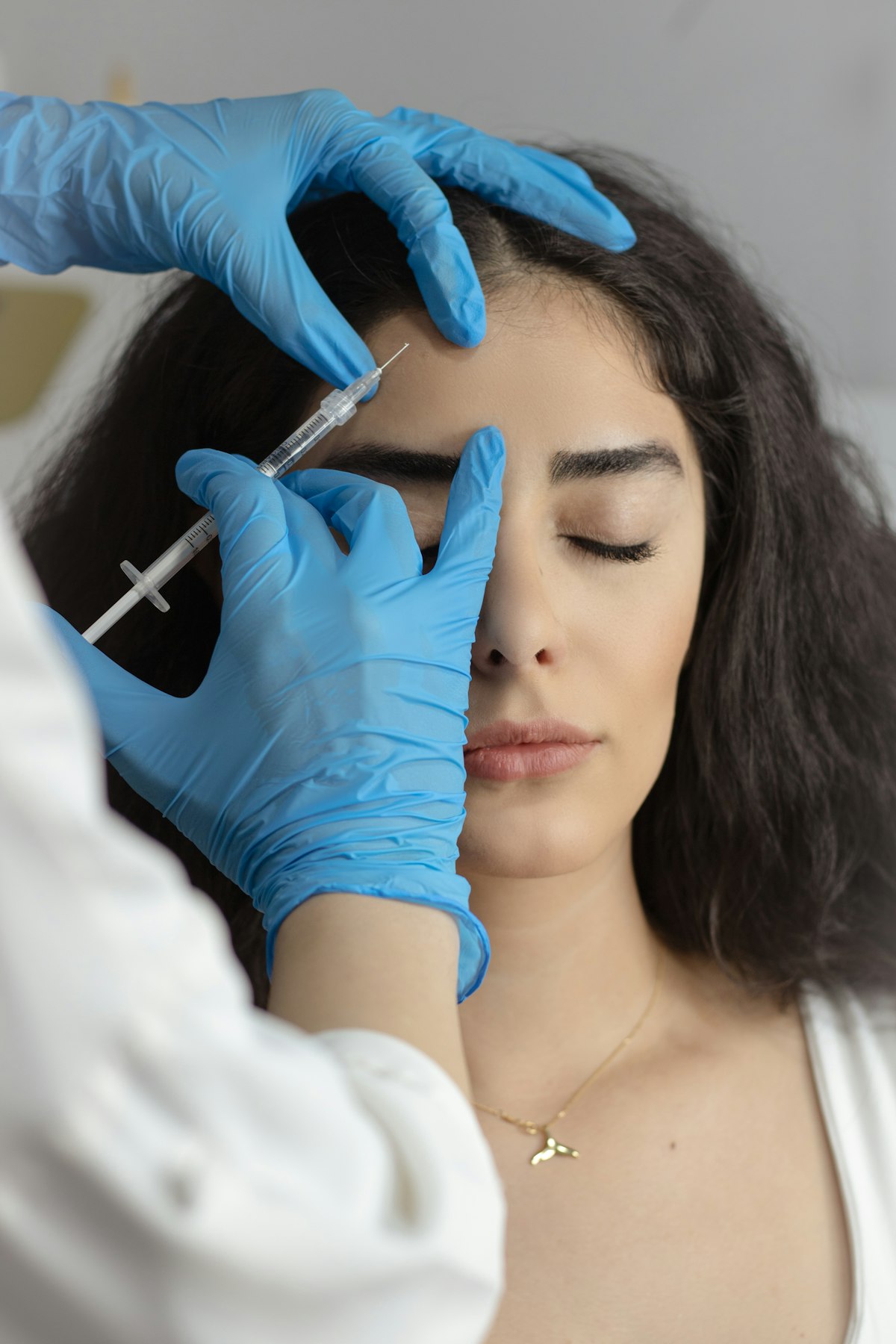
Botox
Relax the muscles that cause frown lines, crow's feet and forehead creases.
Learn More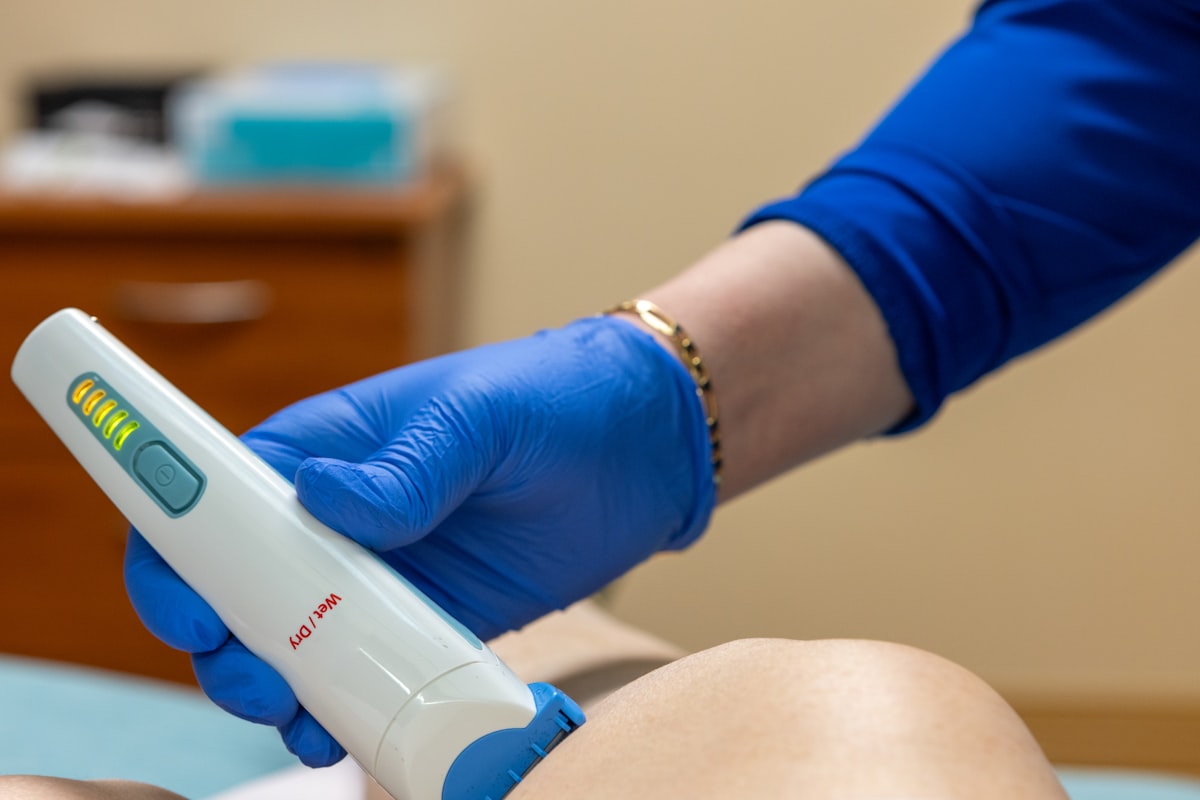
Laser Hair Removal
Reduce unwanted hair permanently across the face and body with medical-grade laser technology.
Learn MoreReady to Book Your Septoplasty Consultation?
Speak to a specialist and get an honest, personalised recommendation.