

Revision Rhinoplasty
Corrective nose surgery to improve a previous rhinoplasty result
Revision rhinoplasty is among the most technically demanding procedures in cosmetic surgery — scar tissue, altered anatomy and missing cartilage make each case uniquely challenging. Our surgeons bring specialist experience in revision cases, using advanced grafting techniques to reconstruct the nasal framework and achieve the result the first surgery did not deliver.
Most revision rhinoplasty cases require cartilage grafting — commonly from the ear or rib — to rebuild structural support that was lost or inadequate after the primary surgery. Careful 3D planning, realistic goal-setting and a thorough understanding of your previous surgical history are all essential to a successful outcome.
Key Benefits
- Correction of cosmetic concerns from a previous rhinoplasty
- Restoration of natural structure using ear or rib cartilage grafts
- Improvement of breathing difficulties caused by previous surgery
- Specialist experience in managing scar tissue and altered anatomy
Is This Treatment Right For You?
- Patients unhappy with the aesthetic result of a previous rhinoplasty
- Those with breathing difficulties following prior surgery
- Individuals with a collapsed, pinched or over-resected nasal tip
- Patients seeking correction at least 12 months after their primary rhinoplasty
What to Expect
Detailed Assessment
Full history of previous surgery reviewed; 3D imaging performed to plan corrections.
Graft Planning
Donor cartilage source (ear or rib) identified based on the volume of support needed.
Revision Surgery
Open approach typically used; cartilage grafts placed to rebuild framework and correct deformity.
Extended Recovery
Swelling takes longer to resolve than primary rhinoplasty — full result visible at 12–18 months.
Recovery & Aftercare
Splint is removed at 7–10 days. Swelling resolves more slowly than after primary rhinoplasty, with results visible progressively over 12–18 months.
Frequently Asked Questions
When can I have a revision rhinoplasty?
Surgeons generally recommend waiting at least 12 months after the primary procedure to allow full healing before planning a revision.
Why is revision rhinoplasty more difficult?
Scar tissue alters tissue planes, and cartilage or bone that was removed cannot be replaced without grafting. These factors make revision surgery significantly more complex than primary rhinoplasty.
Patients Also Explore
Our specialists offer a full range of complementary treatments across surgery, skin, hair and wellness.

Breast Augmentation
Enhance breast volume and shape using high-quality implants or fat transfer.
Learn More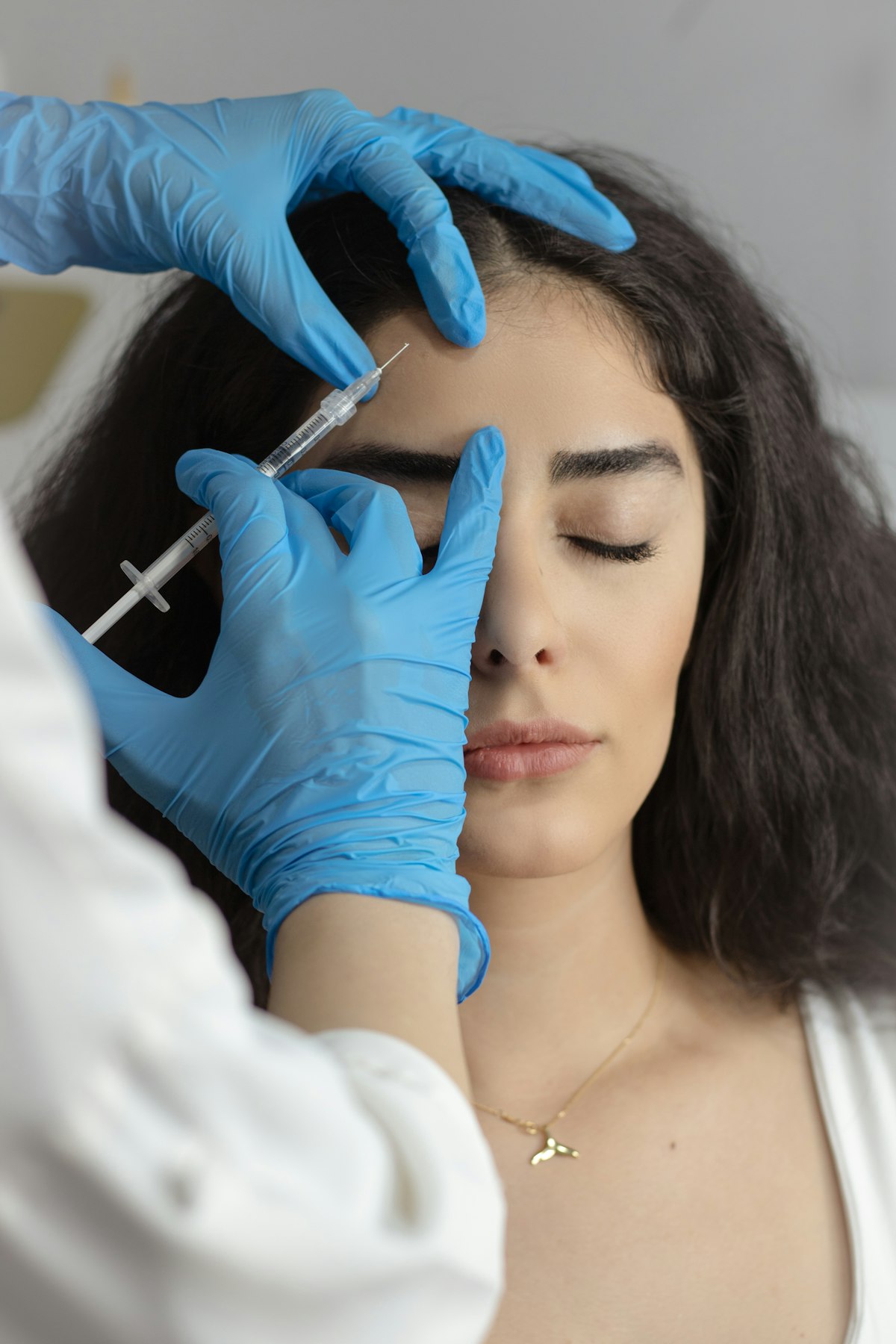
Botox
Relax the muscles that cause frown lines, crow's feet and forehead creases.
Learn More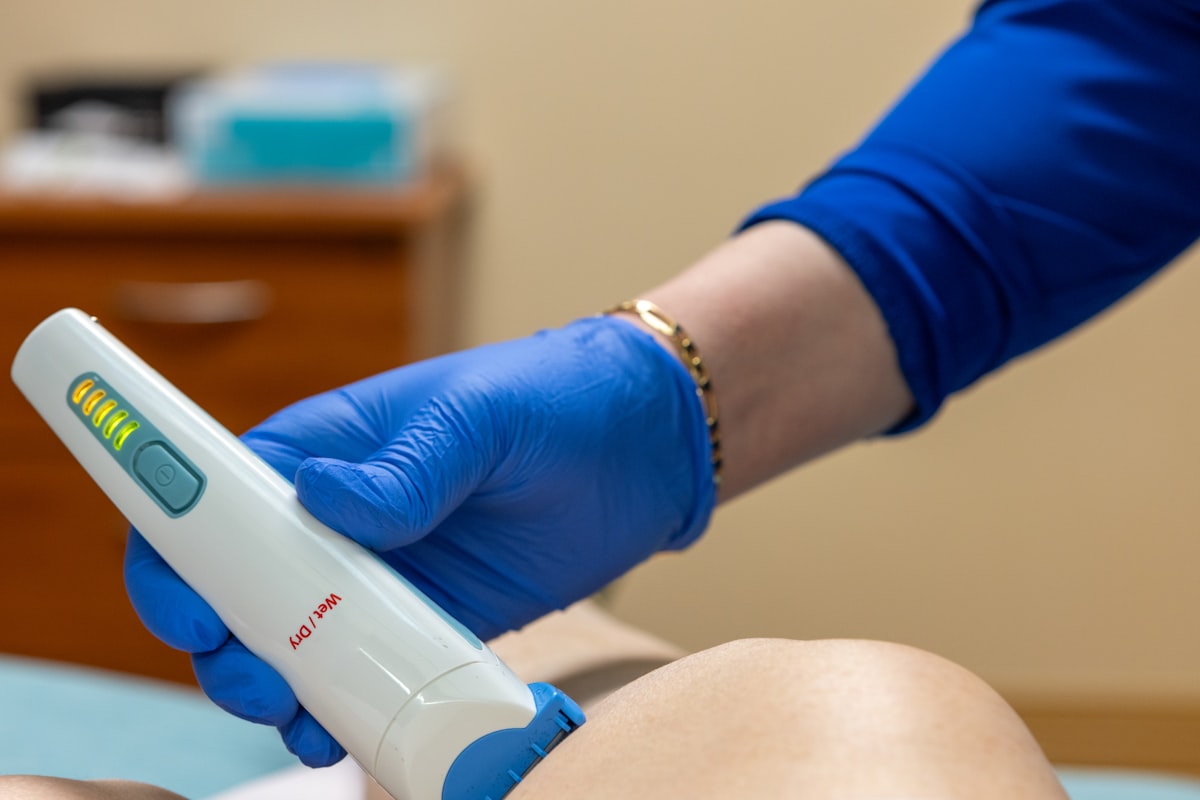
Laser Hair Removal
Reduce unwanted hair permanently across the face and body with medical-grade laser technology.
Learn MoreReady to Book Your Revision Rhinoplasty Consultation?
Speak to a specialist and get an honest, personalised recommendation.