

Open Rhinoplasty
Full surgical access for complex nose reshaping
Open rhinoplasty involves a small incision across the columella — the tissue between the nostrils — giving the surgeon full direct access to all nasal cartilages and bones. This approach is preferred for complex corrections including tip reshaping, significant hump reduction, revision surgery and cases where grafting is required.
The columellar scar, when closed with fine sutures and given time to heal, becomes virtually invisible. The open approach allows the surgeon to work with both hands and direct vision rather than relying entirely on feel, making it the preferred technique for technically complex primary or revision rhinoplasty.
Key Benefits
- Direct visual access to all nasal cartilages and bones
- Preferred for complex tip corrections, revisions and grafting
- Greater surgical precision for asymmetry correction
- Columellar scar heals to near-invisibility over 6–12 months
Is This Treatment Right For You?
- Patients with significant tip deformity or bulbosity
- Those requiring cartilage grafting for structural support
- Revision rhinoplasty cases following previous surgery elsewhere
- Individuals with significant dorsal and tip complexity
What to Expect
Consultation & 3D Imaging
Nasal anatomy analysed; open vs closed technique decision confirmed with imaging.
Anaesthesia
Performed under general anaesthesia; 2–3 hours for primary cases, longer for revisions.
Surgery
Columellar incision, cartilage reshaping, hump reduction and/or grafting as planned.
Splinting & Recovery
External splint for 7–10 days; bruising resolves over 2–3 weeks.
Recovery & Aftercare
Splint removed at 7–10 days. Most patients return to work within 10–14 days. Swelling resolves over 6–12 months, with the refined result fully visible at 12 months.
Frequently Asked Questions
Will the scar from open rhinoplasty be visible?
The columellar scar is very small and placed in the natural shadow beneath the nose. With proper closure and time it becomes very difficult to see, even at close range.
Is open rhinoplasty more painful than closed?
Both approaches carry similar post-operative discomfort — congestion and pressure rather than sharp pain. Pain is well managed with prescribed medication.
Patients Also Explore
Our specialists offer a full range of complementary treatments across surgery, skin, hair and wellness.

Breast Augmentation
Enhance breast volume and shape using high-quality implants or fat transfer.
Learn More
Botox
Relax the muscles that cause frown lines, crow's feet and forehead creases.
Learn More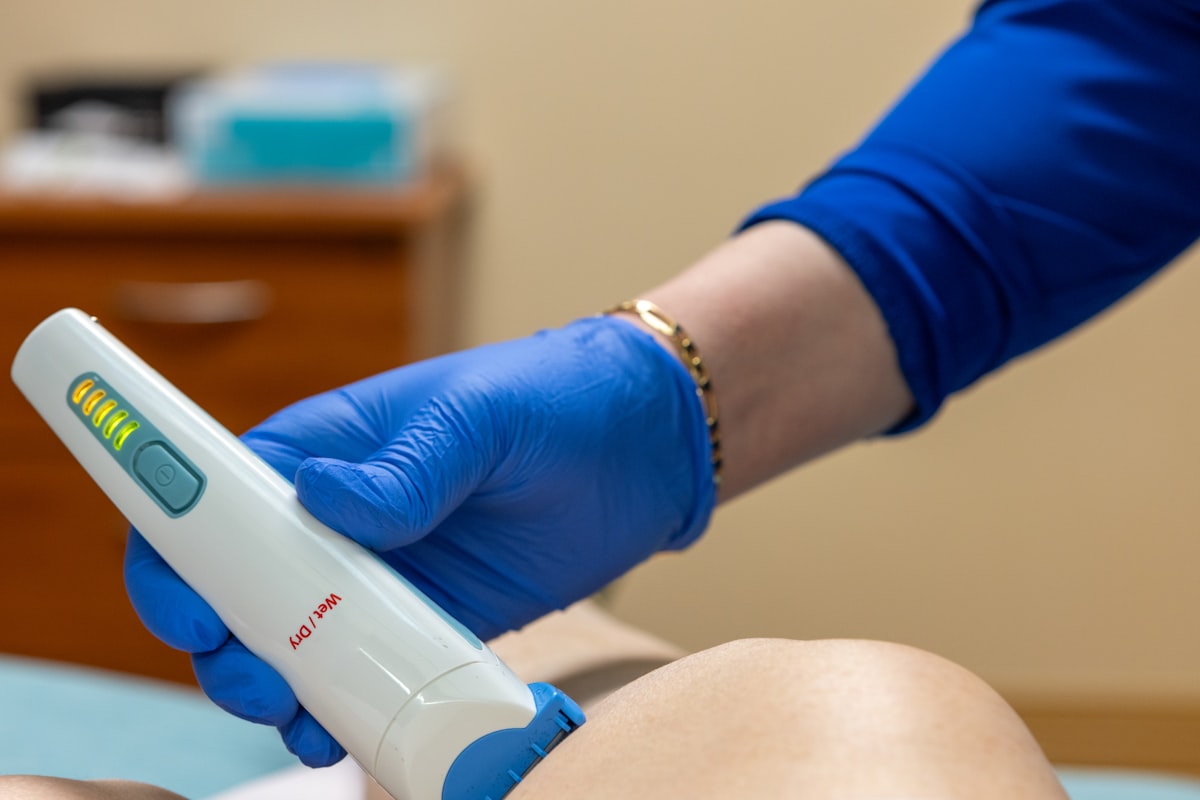
Laser Hair Removal
Reduce unwanted hair permanently across the face and body with medical-grade laser technology.
Learn MoreReady to Book Your Open Rhinoplasty Consultation?
Speak to a specialist and get an honest, personalised recommendation.