
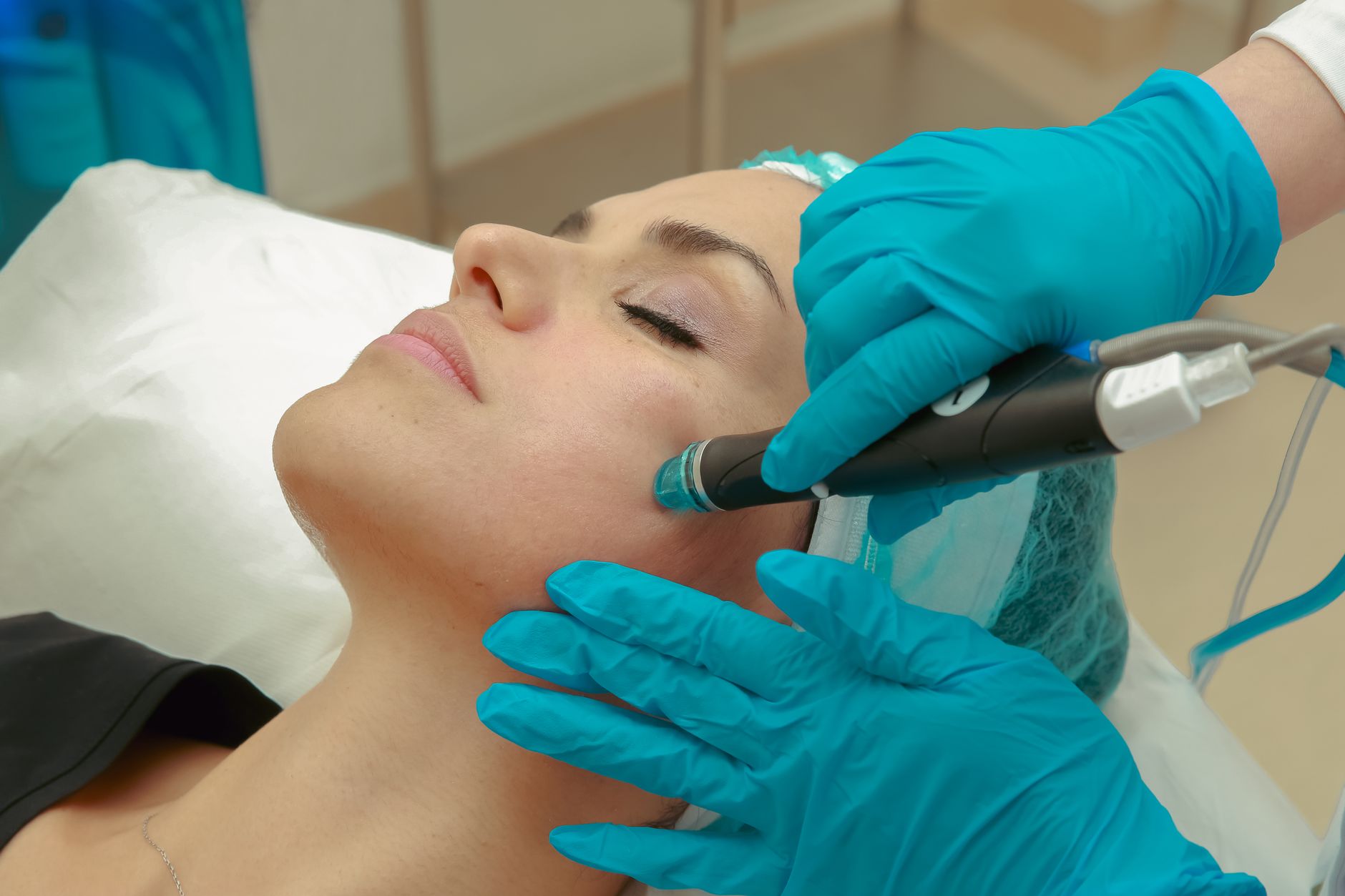
Melasma Treatment Abu Dhabi 2026-2027 | Enfield Royal Clinic Khalifa City
Melasma Treatment in Khalifa City, Abu Dhabi 2026–2027 | Enfield Royal Clinic – Professional Assessment & Tailored Options
Melasma is not a cosmetic inconvenience you simply cover with foundation and move on from. For many residents of Abu Dhabi and across the UAE, it is a persistent, confidence-affecting skin condition that requires a medically informed, individually tailored approach—not a one-size-fits-all promise. At Enfield Royal Clinic in Khalifa City, our licensed dermatology team provides evidence-based Pigmentation Melasma Treatment grounded in honest outcomes, transparent pricing, and genuine clinical expertise.
This guide covers everything you need to know about melasma treatment in Abu Dhabi in 2026–2027: causes, available treatments, realistic results, costs, post-care, and why professional assessment matters before you begin.
What Is Melasma and Why Does It Develop?
Melasma is a chronic skin condition characterised by symmetrical, brown to grey-brown patches—most commonly appearing on the cheeks, upper lip, forehead, and chin. It occurs when melanocytes (pigment-producing cells) become overactive, producing excess melanin in localised areas of the skin.
Common triggers and risk factors include:
- Sun exposure: The UAE's intense UV environment is one of the most significant aggravating factors. Even brief, unprotected exposure can worsen or re-trigger melasma.
- Hormonal fluctuations: Pregnancy (often called the "mask of pregnancy"), oral contraceptives, and hormonal therapies are well-documented triggers.
- Genetic predisposition: A family history of melasma significantly increases susceptibility.
- Fitzpatrick skin types III–VI: Darker skin tones—prevalent across South Asian, Middle Eastern, and African populations—carry a higher inherent risk.
- Heat exposure: Infrared radiation from sun, saunas, or even hot kitchen environments can stimulate melanocyte activity independently of UV light.
Understanding why your melasma developed is the first step toward selecting an effective treatment. This is precisely why a thorough clinical consultation at our Best Dermatology Clinic In Abu Dhabi is essential before any intervention begins.

Melasma Treatment Options Available at Enfield Royal Clinic, Khalifa City
There is no single treatment modality that works optimally for all patients. Melasma depth (epidermal, dermal, or mixed), skin type, hormonal status, and lifestyle factors all influence which approach—or combination of approaches—is most appropriate for you.
1. Topical Treatment Protocols
For mild-to-moderate epidermal melasma, prescription-strength topical formulations remain a cornerstone of treatment:
- Hydroquinone: A depigmenting agent that inhibits tyrosinase, reducing melanin synthesis. Typically used in concentrations of 2–4% under medical supervision.
- Tretinoin (Retinoids): Accelerates skin cell turnover, helping fade superficial pigmentation and enhancing penetration of other active ingredients.
- Kojic Acid, Azelaic Acid, and Vitamin C derivatives: Used as adjuncts or alternatives, particularly for patients who cannot tolerate hydroquinone.
- Triple combination creams: Formulations combining hydroquinone, tretinoin, and a low-potency corticosteroid have demonstrated effectiveness in clinical literature for epidermal melasma.
Topical treatments require consistent daily application and typically show measurable improvement over 8–16 weeks. They are most effective when combined with strict sun protection.
2. Chemical Peels
Chemical peels accelerate the removal of pigmented epidermal cells, improving the appearance of melasma:
- Glycolic acid peels (superficial): Generally well-tolerated; suitable for lighter skin types and early-stage melasma.
- Salicylic acid and mandelic acid peels: Preferred for darker skin tones due to a lower risk of post-inflammatory hyperpigmentation (PIH).
- TCA (Trichloroacetic acid) peels (medium-depth): Reserved for specific melasma profiles; requires careful patient selection as there is a higher risk of PIH in darker Fitzpatrick types.
A series of 4–6 peel sessions, spaced 3–4 weeks apart, is typically recommended. Individual skin tolerance guides session frequency and peel strength. For a broader view of our facial treatments and pricing, see our Facial Treatment Abu Dhabi Cost 2026 2027 Pricing Guide.
3. Laser Treatments for Melasma
Laser therapy is often sought as a faster solution, but it requires particularly careful selection for melasma—especially in the predominantly darker skin tones common in the UAE population.
- Low-fluence Nd:YAG laser: Considered one of the more appropriate laser options for darker Fitzpatrick types with melasma. It targets melanin with reduced thermal damage risk, lowering the likelihood of PIH.
- Fractional laser (non-ablative): Can address dermal melasma components that respond poorly to topical treatments. Requires careful energy calibration and is not suitable for all patients.
- Q-switched lasers: Used for pigmentation concerns but demand very precise parameters in melasma cases to avoid paradoxical darkening.
Important: Laser treatment for melasma is not always the first-line recommendation. In some patients—particularly those with active hormonal triggers or uncontrolled sun exposure—laser can worsen the condition. Our specialists will assess your individual suitability during consultation. For context on how laser technologies are applied to related skin concerns at our Khalifa City clinic, you may also review our Acne Scar Laser Treatment Khalifa City 2026-2027 guide.
4. Combination Therapy Approaches
The most clinically sound approach for moderate-to-severe or recurrent melasma is typically a combination protocol: topical maintenance, periodic chemical peels, and carefully selected laser sessions, supported by daily broad-spectrum SPF 50+ sunscreen. This layered strategy targets multiple pathways simultaneously and provides more durable management than any single modality alone.
Realistic Outcomes and Timeline Expectations
We believe in honest conversations over impressive marketing language. Here is what clinical evidence and patient outcomes in our practice genuinely indicate:
- Visible improvement in epidermal melasma can typically be observed within 8–12 weeks of consistent topical treatment combined with sun protection.
- Significant lightening of moderate melasma with a structured multi-treatment plan is achievable over 3–6 months.
- Dermal melasma (deeper pigmentation) responds more slowly and may require longer treatment courses or adjunct laser sessions.
- Complete elimination is not guaranteed. Melasma is a chronic condition with a documented tendency to recur, particularly with ongoing hormonal exposure or inadequate sun protection.
- Maintenance therapy—ongoing topical use and periodic professional treatments—is typically necessary to sustain results long-term.
Individual results vary significantly. Factors including Fitzpatrick skin type, melasma depth, adherence to sun protection, hormonal influences, and treatment consistency all affect outcomes. No ethical clinic can guarantee identical results across all patients.
Potential Side Effects and Contraindications
All medical treatments carry potential risks, and melasma treatment is no exception:
- Post-inflammatory hyperpigmentation (PIH): Particularly relevant for darker skin types following chemical peels or aggressive laser settings. This is why patient selection and conservative treatment parameters matter.
- Skin irritation, redness, or peeling: Common with topical retinoids and chemical peels, usually transient.
- Paradoxical darkening: Can occur with inappropriate laser use in melasma cases—an important reason to seek qualified specialists, not simply the nearest clinic.
- Prolonged erythema or sensitivity: Possible following laser procedures; managed with appropriate aftercare.
Contraindications may include: active pregnancy or breastfeeding (for certain topicals and lasers), recent sun exposure, use of photosensitising medications, and certain skin conditions. A thorough medical history review at your consultation will identify any contraindications specific to you.
Post-Treatment Care: Your Role Matters
Treatment outcomes are a shared responsibility between your clinical team and you. Post-treatment care significantly influences how well and how long your results last:
- Broad-spectrum SPF 50+ sunscreen: Non-negotiable. Daily application—even indoors—is essential in Abu Dhabi's UV environment. Reapply every 2 hours outdoors.
- Avoid direct sun exposure during peak hours (10am–4pm), particularly in the weeks following laser or peel treatments.
- Gentle skincare: Avoid harsh exfoliants, scrubs, or irritating actives during the recovery phase.
- Prescribed topical maintenance: Continue as directed by your treating physician—stopping prematurely is one of the most common reasons for early recurrence.
- Follow-up appointments: Scheduled review appointments allow your specialist to monitor progress and adjust the plan if necessary.
Melasma Treatment Cost in Abu Dhabi 2026–2027
Transparent pricing is a value we hold firmly. Melasma treatment costs in Abu Dhabi vary based on several factors:
| Factor | Impact on Price |
|---|---|
| Treatment modality (topical vs. peel vs. laser) | Significant |
| Severity and extent of melasma | Moderate |
| Number of sessions required | Significant |
| Combination vs. single-modality protocol | Moderate |
| Initial consultation and diagnostic assessment | Fixed fee |
Indicative ranges for 2026–2027:
- Initial dermatology consultation: from AED 350–600
- Chemical peel sessions: from AED 500–1,200 per session (depending on peel depth)
- Laser treatment sessions: from AED 1,200–2,500 per session (depending on technology and area)
- Topical prescription protocols: varies based on formulation
A personalised cost estimate will be provided following your consultation, once the appropriate treatment plan has been determined. For a comprehensive overview of our facial treatment pricing, visit our Facial Treatment Abu Dhabi Cost 2026 2027 Pricing Guide. For those exploring our broader range of affordable aesthetic options in Khalifa City, see our Affordable Aesthetic Clinic Abu Dhabi 2026 2027 guide.
Why Professional Consultation Is Non-Negotiable
Melasma is frequently misdiagnosed—confused with other pigmentation disorders such as lichen planus pigmentosus, post-inflammatory hyperpigmentation, or Hori's naevus. Each has a distinct treatment pathway. Applying the wrong treatment can worsen your condition, particularly if laser energy is directed at pigmentation that is not melasma.
At Enfield Royal Clinic, your initial assessment includes:
- Wood's lamp or dermoscopy examination to determine melasma depth (epidermal vs. dermal vs. mixed)
- Comprehensive medical and hormonal history review
- Fitzpatrick skin type assessment to guide treatment safety parameters
- Patch testing where clinically indicated before chemical or laser treatments
- Customised treatment plan with realistic outcome expectations discussed openly
Patch testing is not an administrative formality—it is a clinical safety measure that can prevent adverse reactions.
Melasma Recurrence: Prevention and Long-Term Management
Melasma is a condition you manage—not one you cure once and forget. Recurrence is medically documented, particularly when:
- Hormonal triggers (pregnancy, contraceptives) continue or resume
- Sun protection is inconsistent
- Maintenance treatments are discontinued prematurely
Prevention strategies that genuinely matter:
- Daily SPF 50+ broad-spectrum sunscreen (physical/mineral blockers are often preferred for melasma-prone skin)
- Wide-brimmed hats and UV-protective clothing in Abu Dhabi's climate
- Reviewing contraceptive choices with your gynaecologist if hormonal triggers are identified
- Scheduled maintenance sessions every 3–6 months to sustain results
- Ongoing topical maintenance as directed
For patients interested in complementary skin-quality treatments that support overall skin health alongside melasma management, our Profhilo Skin Booster Abu Dhabi Clinic 2026 guide provides relevant information.
Enfield Royal Clinic — Khalifa City, Abu Dhabi
Location: Khalifa City, Abu Dhabi, UAE Our clinic is conveniently situated in Khalifa City—one of Abu Dhabi's most accessible residential and commercial districts, well-connected by major road routes with ample parking available on-site.
Clinical Team: Our treating physicians hold recognised dermatology and aesthetic medicine qualifications, registered and compliant with UAE health authority standards. We operate under full DHA/DOH regulatory compliance, ensuring your treatment is delivered to the highest standards of patient safety and clinical governance.
Languages Spoken: English, Arabic, and additional languages to serve Abu Dhabi's diverse international community.
Booking: Consultations can be scheduled online, by phone, or via WhatsApp. New patients are encouraged to book an initial assessment appointment before committing to any treatment plan—we will never pressure you into a protocol that has not been properly evaluated for your specific skin profile.
Book Your Melasma Assessment in Abu Dhabi
If you are experiencing melasma and are ready to explore evidence-based treatment options with a qualified team that prioritises honest outcomes over marketing promises, Enfield Royal Clinic in Khalifa City is ready to welcome you.
Your skin deserves an assessment tailored to its unique characteristics—not a generic protocol designed for someone else. Contact us today to schedule your personalised melasma consultation.
Individual results vary. No treatment protocol can guarantee identical outcomes for all patients. All procedures are performed subject to clinical suitability assessment. Enfield Royal Clinic operates in full compliance with UAE health authority regulations.
Ready to Begin Your Transformation?
Book a free consultation with our specialist team at Enfield Royal Clinic Khalifa City.